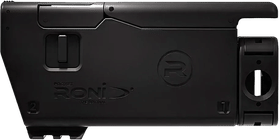

Glock 17 Conversion Kit Guide: Fitment, Compatibility, and How to Choose


If you're researching a Glock 17 conversion kit, start with compatibility before comparing chassis features, accessories, or price. The fact that a product is marketed for the Glock 17 does not automatically mean it will fit every Glock 17 configuration.
Your specific pistol setup matters. The generation, slide, sights, optic, barrel, and other installed components can all affect whether a particular chassis is compatible.
This Glock 17 conversion kit guide walks through the key fitment factors you should check before choosing a chassis. The goal is simple: identify your exact Glock 17 configuration first, then match it against the manufacturer's compatibility requirements before making a purchase.
What Should You Check Before Buying a Glock 17 Conversion Kit?
Before purchasing a conversion chassis for a Glock 17, verify:
- Your exact Glock 17 generation
- Whether the chassis specifically supports that generation
- The factory or aftermarket slide configuration
- Sight configuration and height
- Optic configuration, if installed
- Barrel configuration
- Backstrap and other frame-mounted components
- Aftermarket parts that could affect external dimensions
- The chassis retention and interface requirements
- The manufacturer's current compatibility documentation
The key distinction is simple:
A Glock 17 fitting physically inside a chassis does not automatically mean the complete configuration is compatible.
The chassis needs to be designed for the relevant Glock 17 configuration and its interfaces.
What Is a Glock 17 Conversion Kit?

The term Glock 17 conversion kit can refer to different types of products, so identify what you're actually shopping for before comparing products.
For this guide, the focus is on chassis-style conversion systems that provide a different external platform around a compatible Glock pistol.
A chassis can add a larger external structure around the host pistol and may provide interfaces for accessories or other equipment, depending on the specific product.
That means you're not simply buying an accessory for a Glock 17. You're evaluating a system that has to interface correctly with the host pistol.
This is where fitment becomes important.
A product can be marketed for Glock pistols while still having specific model, generation, or configuration requirements. The safest approach is to treat the manufacturer's compatibility list as the starting point rather than assuming that every Glock 17 configuration is interchangeable.
Why Glock 17 Fitment Matters
The Glock 17 has existed across multiple generations and configurations. While the basic model designation remains the same, external dimensions and interfaces can differ between configurations.
For a conversion chassis, those differences can matter.
Consider the following fitment factors:
Fitment factor | What to verify |
Model | Confirm the chassis specifically supports the Glock 17 |
Generation | Check whether your exact generation is listed |
Slide | Verify compatibility with the slide configuration |
Sights | Check whether installed sights affect clearance |
Optic | Verify optic and mounting configuration compatibility |
Barrel | Confirm the barrel configuration is supported |
Frame components | Check backstraps and other installed components |
Aftermarket parts | Identify components that change the pistol's external profile |
Retention interface | Confirm the pistol interfaces with the chassis as specified |
Clearance | Check the manufacturer's stated clearance requirements |
This is why the phrase “fits Glock 17” should not be treated as the entire compatibility test.
You want to know which Glock 17, in which configuration, and under which manufacturer's compatibility requirements.
Glock 17 Generation Is the First Compatibility Check
Start with the generation.
Don't assume that because a conversion kit supports one Glock 17 generation, it automatically supports every generation.
When evaluating a conversion kit, identify whether your pistol is Gen 3, Gen 4, Gen 5, or another configuration covered by the manufacturer's documentation.
Then compare that information against the exact chassis model you're considering.
Don't Stop at the Generation
Generation is only the first filter.
Your Glock 17 may also have components that differ from the original factory configuration.
For example, you may have:
- An aftermarket slide
- Different sights
- A red-dot optic
- An optic mounting plate
- A threaded barrel
- A compensator
- An aftermarket backstrap
- An aftermarket magwell
- Extended controls
- Other components that change the pistol's external profile
These parts can introduce another layer of compatibility.
A chassis that supports a particular Glock 17 generation may have been designed around a particular configuration. Adding aftermarket components can change the clearances or interfaces that the chassis relies on.
The practical rule
Evaluate the Glock 17 as it is currently configured, not simply as the model it started as.
This is especially important when you're comparing a factory-configured pistol with a heavily customized one.
The Chassis Should Be Evaluated as a Complete Interface
This is where a better fitment assessment separates itself from a basic product comparison. Think of the conversion system as a series of connected interfaces:
- Glock 17
- Chassis interface
- Slide and sight clearance
- Accessory configuration
Each point needs to be compatible. If one component creates a conflict, the entire configuration can become the limiting factor. This is also why concentrating your decision around a single specification can be misleading.
For example, knowing that a chassis supports the Glock 17 tells you something important, but it doesn't answer whether your specific generation, slide, sights, optic, barrel, and other installed components meet the complete compatibility requirements.
Before You Compare Glock 17 Conversion Kits
Create a basic configuration record first.
Write down:
- Glock 17 generation
- Factory or aftermarket slide
- Sight configuration
- Optic configuration
- Barrel configuration
- Backstrap configuration
- Magwell configuration
- Other external aftermarket components
Then compare that list against the manufacturer's compatibility information for each chassis you're considering. This gives you a much better starting point than comparing products based only on appearance, price, or accessory features.
It also reduces configuration concentration risk. Instead of building your decision around one assumption, you evaluate the host pistol, chassis, and installed components as a complete system.
Glock 17 Conversion Kit Fitment Checklist
Before moving to product selection, you should be able to answer “yes” to these questions:
Question | Status |
Is your pistol actually a Glock 17? | ☐ |
Is your exact generation supported? | ☐ |
Is your slide configuration supported? | ☐ |
Are your sights compatible with the chassis requirements? | ☐ |
Is your optic configuration supported, if applicable? | ☐ |
Is your barrel configuration supported? | ☐ |
Are your installed frame components compatible? | ☐ |
Have you checked aftermarket parts against the manufacturer's documentation? | ☐ |
Have you confirmed the chassis' stated retention/interface requirements? | ☐ |
If you cannot verify one of these items, don't treat the configuration as confirmed simply because the product listing mentions “Glock 17.”
The next step is comparing Glock 17 conversion kit options based on documented fitment, chassis design, accessory compatibility, and the configuration you actually intend to use.
How to Compare Glock 17 Conversion Kit Options
Once you've confirmed that a chassis is compatible with your Glock 17 configuration, the next question is which Glock 17 conversion kit makes the most sense.
This is where product selection can become confusing. Two chassis systems may both support a Glock 17 while offering very different interfaces, accessory compatibility, materials, adjustment options, and manufacturer support.
Instead of choosing based on appearance or the number of advertised features, compare the characteristics that directly affect your configuration.
1. Start With Documented Glock 17 Compatibility
The first filter should always be compatibility.
Look for documentation that identifies:
- Glock 17 model support
- Supported generations
- Applicable configuration requirements
- Restrictions involving aftermarket components
- Sight or optic compatibility
- Any model-specific limitations
A product page that simply says “Glock compatible” does not provide enough information by itself.
You want documentation that lets you match your pistol against the manufacturer's stated requirements.
Use a simple compatibility hierarchy
Compatibility level | What it tells you |
Exact model listed | The manufacturer identifies the Glock 17 as supported |
Exact generation listed | Your specific generation is covered |
Configuration requirements listed | Additional conditions are documented |
Aftermarket compatibility documented | Certain non-factory components are addressed |
Complete configuration confirmed | Your specific setup has no known compatibility conflict |
The more specific the documentation, the less you have to rely on assumptions.
2. Compare the Chassis Interface
A conversion chassis is an interface between the host pistol and the external chassis system.
That makes the interface more important than cosmetic features.
When comparing products, examine how the manufacturer describes:
- Pistol retention
- Contact points
- Compatibility requirements
- Slide clearance
- Sight clearance
- Accessory mounting interfaces
- Controls and external interfaces
- Required configuration limitations
The goal isn't to find the chassis with the longest feature list.
The goal is to find the chassis whose documented interfaces match your Glock 17 configuration.
This is particularly important if your pistol has aftermarket components.
A highly customized Glock 17 can create more compatibility variables than a factory configuration. The more variables you introduce, the more important detailed manufacturer documentation becomes.
3. Don't Assume More Features Mean Better Compatibility
A common product-selection mistake is treating a longer feature list as evidence that a chassis is a better choice.
It isn't.
A chassis may offer numerous mounting points or configuration options, but those features don't compensate for a compatibility problem with the host pistol.
Think about the decision in this order:
Compatibility → configuration requirements → interface → features → price
Not:
Features → appearance → price → compatibility
Compatibility should eliminate unsuitable products before you start comparing secondary features.
Nano Roni Compatibility With Glock 17

If you're researching a Micro Roni for Glock 17, it's also worth knowing that the Glock 17 is compatible with certain Nano Roni configurations.
The Nano Roni can be considered as another chassis option for a compatible Glock 17, but you should still verify the specific configuration before making a selection.
Before selecting a Nano Roni for your Glock 17, check:
- Glock 17 model and generation
- Exact Nano Roni model or SKU
- Slide and sight configuration
- Optic configuration, if applicable
- Barrel and other externally relevant components
- Manufacturer's current compatibility requirements
This prevents a common mistake: seeing "Glock 17 compatible" and assuming that every Nano Roni configuration has identical fitment.
Glock 17 Chassis | Glock 17 Compatibility | What to Verify |
Glock 17 configurations are supported | Generation, slide, sights, optic, and other installed components | |
Certain configurations support Glock 17 | Exact Nano Roni SKU, Glock 17 generation, and configuration requirements |
Sights Can Affect Fitment
Sights are easy to overlook because they are relatively small components.
From a chassis compatibility perspective, however, their height and profile can matter.
When evaluating your Glock 17, identify whether you have:
- Factory-height sights
- Taller aftermarket sights
- Suppressor-height sights
- Other non-standard sight configurations
Then check the conversion kit's stated sight requirements.
This is particularly important when a chassis has a defined housing or clearance area around the slide.
The correct question is not:
“Will a Glock 17 fit?”
Instead, ask:
“Does this chassis support my Glock 17 with my current sight configuration?”
That is a much more useful compatibility question.
Optic Compatibility
An optic introduces another layer of configuration.
If your Glock 17 is equipped with a red dot, evaluate the optic configuration separately from the pistol itself.
Check the manufacturer's documentation for information relating to:
- Optic compatibility
- Mounting configuration
- Clearance requirements
- Supported sight or optic arrangements
- Any configuration-specific restrictions
Avoid treating the phrase “optic compatible” as universal.
Different chassis designs can have different requirements, and different optics can occupy different amounts of space.
For that reason, an optic should be treated as a separate compatibility variable when comparing a Glock 17 conversion kit.
Barrel Configuration
The barrel is another specification worth documenting before you compare products.
A standard factory barrel and a barrel with a different external configuration can change the overall configuration of the host pistol.
Examples include:
- Standard barrel configuration
- Threaded barrel
- Compensator-equipped configuration
- Other externally different barrel setups
The presence of one of these components does not automatically determine compatibility.
Instead, look for specific manufacturer guidance.
This is especially important when comparing products that have different front-end configurations or stated compatibility requirements.
Aftermarket Frame Components
Don't forget the frame.
A Glock 17 may have components installed that weren't part of its original factory configuration.
Examples include:
- Backstraps
- Magwells
- Extended controls
- Other externally mounted components
These parts should be included in your compatibility checklist.
A useful rule is:
If a component changes the external profile of the host pistol, treat it as a fitment variable until the manufacturer says otherwise.
This approach prevents you from overlooking a component simply because it isn't part of the basic Glock 17 model specification.
What to Do When Compatibility Information Is Unclear
Sometimes a product listing will identify the Glock 17 but provide limited information about a specific configuration.
When that happens, don't fill the gaps with assumptions.
Use this order of priority:
- Check the manufacturer's current compatibility information.
- Look for model- or generation-specific documentation.
- Check whether your specific aftermarket configuration is addressed.
- Contact the manufacturer if a critical compatibility question remains unanswered.
- Treat unresolved compatibility as unresolved rather than assuming the product will work.
This approach is particularly useful when comparing a Micro Roni for Glock 17 configuration with other chassis options.
A detailed compatibility page is valuable because it lets you make a product decision based on documented requirements rather than relying on photographs, retailer descriptions, or forum comments.
Frequently Asked Questions About Glock 17 Conversion Kits
Will a Glock 17 fit any conversion kit?
No. A conversion kit must specifically support your Glock 17 configuration. Check the exact model, generation, and any manufacturer-stated requirements for the slide, sights, optic, barrel, and other installed components before purchasing.
What should I check before buying a Glock 17 conversion kit?
Start with your exact Glock 17 generation and compare it with the manufacturer's compatibility information. Then check your current slide, sights, optic, barrel configuration, and aftermarket components. The goal is to confirm compatibility for the complete configuration, not just the Glock 17 model name.
Does Glock 17 generation matter for conversion kit compatibility?
Yes. A conversion chassis may support specific Glock 17 generations rather than every generation. Always verify that your exact generation is listed for the specific chassis you're considering.
Can aftermarket parts affect Glock 17 conversion kit compatibility?
Yes. Aftermarket slides, sights, optics, barrels, compensators, backstraps, magwells, and extended controls can introduce additional compatibility variables. They are not automatically incompatible, but you should verify them against the manufacturer's current documentation.
Does a red dot affect Glock 17 conversion kit compatibility?
It can. An optic changes the configuration of the host pistol, so you should check whether the specific chassis accommodates your optic and mounting arrangement. Don't assume that a chassis supporting the Glock 17 automatically supports every optic configuration.
Can suppressor-height sights affect a Glock 17 conversion chassis?
They can. Taller sights may have different clearance requirements than standard-height sights. If your Glock 17 has aftermarket or suppressor-height sights, check the chassis manufacturer's stated sight compatibility before purchasing.
What is a Micro Roni for Glock 17 conversion?
A Micro Roni for Glock 17 setup refers to using a Micro Roni chassis system with a compatible Glock 17 configuration. The exact compatibility depends on the particular Micro Roni model and the Glock 17 configuration, so check the manufacturer's current product documentation before making a purchase.
What should I look for in a Glock Roni?
Start with documented Glock 17 compatibility, then compare the chassis design, accessory interfaces, configuration requirements, and manufacturer support. A product should be evaluated based on whether it matches your specific Glock 17 configuration rather than simply being marketed as “Glock compatible.”
Is a Glock 17 conversion kit the same as a Glock 17 caliber conversion?
Not necessarily. The term “conversion kit” can describe different types of products. Some systems change the external configuration of a pistol through a chassis, while others change the caliber or other operating components. Identify the specific type of conversion system before comparing products.
How do I choose the right Glock 17 conversion kit?
First confirm compatibility with your exact Glock 17 configuration. Then compare the chassis design, documented accessory compatibility, available features, product support, and overall fit with your requirements. Compatibility should be the first filter before comparing secondary features or price.
Should I choose a conversion kit based on price?
Price should not be the first filter. A less expensive chassis is not necessarily a better value if its compatibility information is unclear or it does not support your specific configuration. Confirm fitment first, then compare features, documentation, support, and price among compatible options.
What is the biggest mistake when buying a Glock 17 conversion kit?
The biggest mistake is treating “Glock 17 compatible” as a complete compatibility assessment. Your Glock 17's generation and installed components can affect the configuration you are evaluating. Always compare your actual setup against the manufacturer's current compatibility information.