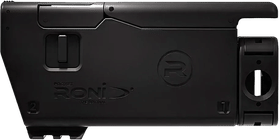

Nano Roni Reliability Checklist: Compatibility, Inspection, and Maintenance


The Nano Roni brings a compact, reinforced-polymer chassis design to compatible handguns without replacing their original operating mechanisms. While the pistol retains its internal components, the chassis introduces additional considerations involving fitment, retention, accessory clearance, and overall mechanical condition.
Consistent performance depends on the relationship between the handgun and its surrounding equipment. Proper compatibility, regular inspection, and routine maintenance help identify potential problems before they develop into more serious mechanical concerns.
1. Confirm Nano Roni Compatibility
Every Nano Roni configuration is designed around specific handgun dimensions. Differences in frame geometry, slide length, and generation can affect fitment, even among pistols within the same model family.
Aftermarket slides, modified frames, raised sights, and replacement barrels may introduce additional clearance requirements. These modifications can affect how the handgun fits within the chassis.
Our Find My Roni tool provides model-specific compatibility information, while the Nano Roni Compatibility Guide covers additional handgun fitment considerations.
Uncertain configurations require confirmation before installation to avoid unnecessary damage or mechanical interference.
2. Prioritize Safe Handgun Handling
Every inspection begins with an unloaded firearm. The magazine must be removed, and the chamber visually and physically checked to confirm that it is empty. Ammunition should remain outside the maintenance area.
Safe muzzle direction and proper trigger discipline remain essential throughout handling, regardless of whether the handgun is installed in the chassis.
3. Inspect the Nano Roni Chassis and Retention System
The Nano Roni incorporates a side charging hatch and integrated locking mechanism within its compact housing. These components form part of the interface between the handgun and chassis.
Routine inspections should focus on visible cracks, damaged surfaces, loose parts, and obstructions around the handgun compartment.
The Nano Roni's two-click locking design provides audible feedback during installation. However, the locking sound alone does not establish that every component is correctly aligned or free from interference.
A damaged hatch, abnormal resistance, or unusual movement around the retention system requires technical assessment before further use.
For additional information about the chassis interface, the Nano Roni Setup for Glock Owners covers relevant configuration considerations.
4. Examine the Charging Handle and Optic Mounting Components
The Nano Roni accommodates different charging-handle arrangements depending on the selected configuration. The optional Pro Charging Handle also incorporates a mounting interface for compatible micro red-dot sights.
These components require attention during routine visual inspection. Loose mounting hardware, damaged surfaces, or suspected interference between the handgun and charging-handle assembly may indicate a condition requiring technical assessment.
Optics and their associated mounting components have separate maintenance requirements. Their condition should be evaluated independently of the chassis retention system.
5. Understand Ammunition and Magazine Considerations
The Nano Roni retains the handgun's original feeding and ejection mechanisms. Ammunition quality, magazine condition, and the mechanical state of the pistol remain relevant to firearm reliability.
Damaged magazines, defective ammunition, or worn handgun components may contribute to operational problems independently of the chassis.
At the same time, the presence of an external chassis introduces additional fitment considerations. Recurring feeding or ejection malfunctions should not automatically be attributed to a single component without qualified technical evaluation.
Potential firearm defects and repeated malfunctions require professional assessment rather than improvised adjustments.
6. Maintain the Handgun and Chassis Separately
The handgun and Nano Roni chassis contain different materials and mechanical components, making their maintenance requirements distinct.
The chassis requires attention to its reinforced-polymer housing, retention components, charging hatch, and accessory attachment points. Dirt, debris, surface damage, and unusual wear may affect the condition of these areas over time.
Firearm solvents, lubricants, and other maintenance chemicals may not be appropriate for polymer surfaces, optics, or electronic accessories. Cleaning products should be compatible with the materials involved.
Our Nano Roni Maintenance Guide provides additional information about chassis inspection and long-term care.
7. Inspect Accessories and Mounting Points
The Nano Roni supports selected accessory arrangements, including front grips, magazine holders, optics, lighting equipment, and carrying attachments.
Each accessory introduces additional mounting surfaces that may experience wear or damage during regular handling.
Inspection should focus on visible cracks, loose attachments, damaged controls, and unexpected contact between mounted equipment and the chassis.
The Nano Roni also accommodates selected compensators and suppressors through its removable front-barrel section, with a specified maximum outer-diameter clearance of 35 mm. Actual compatibility depends on the complete handgun and muzzle-device configuration.
8. Recognize Potential Mechanical Problems
Changes in the condition or behavior of the handgun and chassis deserve prompt attention.
Visible damage, abnormal resistance, loose retention components, and unexpected interference may indicate a problem requiring inspection.
Feeding, extraction, or ejection malfunctions also require immediate caution. If a firearm fails to operate normally, use should stop until the cause has been safely evaluated.
Suspected barrel obstructions, abnormal discharges, and recurring firearm malfunctions require qualified professional assistance. Continued operation without identifying the problem can create additional safety risks.
9. When to Contact Nano Roni Support
Technical assistance is appropriate when chassis compatibility, product condition, or mechanical behavior cannot be confidently established.
Our support team can assist with concerns involving:
- Damaged or cracked chassis components
- Uncertain handgun and chassis compatibility
- Abnormal charging hatch or retention behavior
- Accessory fitment questions
- Suspected manufacturing defects
- Warranty and product support requests
Support inquiries can be directed to [email protected]. Relevant product information, order details, and a description of the concern help the team assess the issue.
10. Nano Roni Warranty and Product Care
Our Warranty Policy provides information about manufacturing-related malfunctions, coverage exclusions, and available product support.
Warranty requests are evaluated according to the applicable product terms and the circumstances of the reported issue. Damage associated with abuse or misuse may fall outside the available coverage.
Routine care, proper product compatibility, and attention to visible mechanical concerns help preserve the chassis's condition throughout ownership.
Nano Roni Storage and Transportation
Proper storage helps protect the Nano Roni's external components between uses. The reinforced-polymer housing should be kept in a clean, dry environment away from prolonged exposure to extreme temperatures, moisture, and harsh chemicals.
A suitable carrying case provides additional protection against scratches, accidental impacts, and pressure on mounted accessories. Case dimensions should accommodate the complete chassis configuration, particularly when optics, grips, or lighting equipment are attached. Accessories should not be forced into confined storage compartments.
Long-term storage also requires consideration of electronic components. Optics and lighting accessories may have separate battery-care and storage requirements that differ from those of the chassis itself.
Secure firearm storage remains essential regardless of whether the handgun is housed within the Nano Roni. The chassis does not replace a suitable firearm safe or other appropriate security measures.
Inspection Timing and Maintenance Records
Routine maintenance is only one opportunity to assess the Nano Roni's condition. Additional inspections are appropriate following accidental drops, impacts during transportation, extended storage, or changes to the accessory configuration.
Keeping a simple maintenance record helps document the chassis's condition over time. Useful information includes inspection dates, visible changes, accessory replacements, and previous technical support assessments.
Photographs can also provide a record of wear or damage, particularly when a component's condition changes gradually. These records can help distinguish an existing cosmetic mark from newly developed damage.
A maintenance history does not replace professional mechanical evaluation. However, consistent documentation provides useful context when investigating product concerns, communicating with support, or reviewing the condition of equipment after extended ownership.
Nano Roni Quick Inspection Checklist
Inspection Area | What to Check |
Handgun safety | Magazine removed and chamber confirmed empty |
Model compatibility | Matching handgun model, generation, and chassis configuration |
Chassis housing | Cracks, visible damage, and obstructions |
Side charging hatch | Damaged or displaced components |
Retention system | Unusual looseness, resistance, or wear |
Charging handle | Visible damage and suspected component interference |
Magazines | Signs of damage or deterioration |
Accessories | Loose attachments, damaged mounts, or clearance concerns |
Chassis maintenance | Accumulated debris, surface damage, and material condition |
Technical support | Unresolved fitment concerns or mechanical irregularities |
Frequently Asked Questions
Does the Nano Roni change how a Glock feeds and ejects ammunition?
The Nano Roni retains the handgun's original feeding and ejection mechanisms. However, improper fitment, damaged components, or mechanical interference may affect the operation of the complete assembly.
Does the Nano Roni require a break-in period?
A universal chassis break-in requirement has not been established. Unusual mechanical behavior or concerns involving a new configuration should receive technical evaluation rather than being attributed to an assumed break-in period.
Can aftermarket Glock components affect Nano Roni compatibility?
Yes. Modified slides, replacement barrels, raised sights, and other aftermarket components may change the handgun's external dimensions or clearance requirements. Compatibility depends on the complete handgun configuration.
What should happen if a Nano Roni setup experiences repeated malfunctions?
Operation should stop until the cause has been safely assessed. Repeated feeding, extraction, or ejection failures require qualified technical evaluation, particularly when the source of the problem is uncertain.
Does the Nano Roni chassis require the same cleaning products as a Glock?
No universal cleaning method applies to both products. The handgun and reinforced-polymer chassis have different material requirements, and cleaning products must be appropriate for the components being maintained.
Are Nano Roni manufacturing defects covered by warranty?
Manufacturing-related malfunctions may qualify for warranty assistance under the applicable product terms. Our support team reviews reported defects and determines the appropriate next steps.